

Floral Designs for Weddings: A Complete Guide

Floral designs for weddings are so much more than just pretty flowers in vases. They're a storytelling tool, an emotional anchor, and a way to tie your entire celebration together visually. Whether you're planning a ceremony, reception, or both, the flowers you choose will shape how your guests experience the day and how your memories feel when you look back at photos.
The key to great wedding florals isn't having the most expensive blooms or the biggest arrangements. It's making intentional choices about color, texture, and placement that reflect your style and create a cohesive atmosphere throughout your celebration.
Start With a Coordinated Color Palette
Before you pick a single flower, decide on your color story. This is the foundation of every floral decision you'll make.
Your palette should include a primary color (like blush, ivory, or sage), one or two secondary colors that complement it, and possibly a neutral like white or cream. Every floral element should pull from this same palette, whether it's your bridal bouquet, the centerpieces, ceremony arch arrangements, or boutonnieres.
When colors coordinate across all your floral elements, the entire wedding feels unified and intentional. Your guests will sense it even if they can't name it. It's the difference between florals that feel scattered and florals that feel like they were designed by someone with a vision.
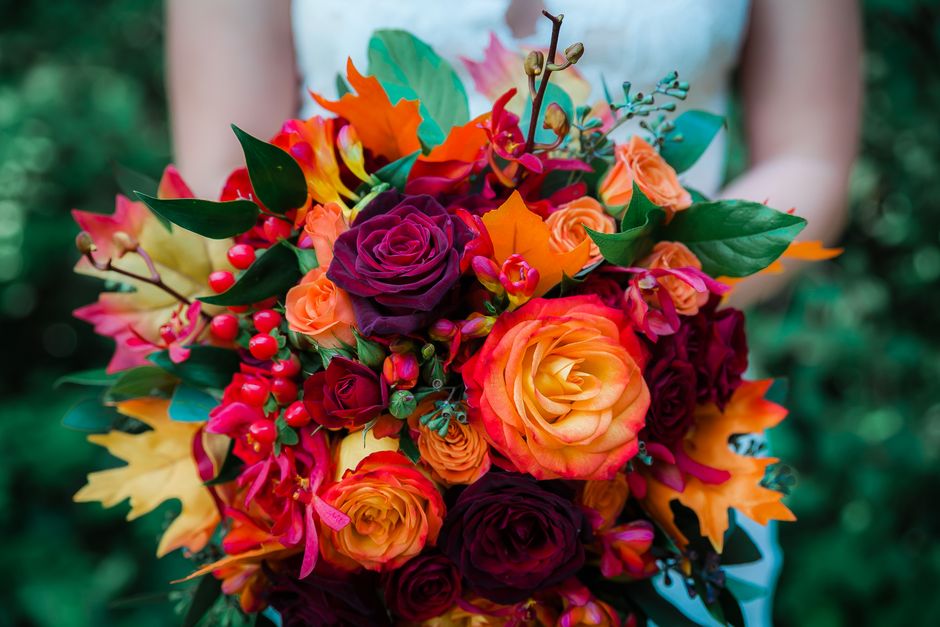
Think about the season and your venue too. Spring calls for soft pastels and garden textures. Summer can handle bolder jewel tones or tropical vibrancy. Fall embraces warm oranges, burgundies, and browns. Winter florals often lean into deep reds, whites, and metallic accents.
Choose Flowers That Layer Texture and Movement
The most beautiful wedding arrangements aren't flat or one-dimensional. They use multiple types of blooms and foliage to create depth, movement, and visual interest.
Start with a focal flower, something that draws the eye and anchors the arrangement. Blush garden roses and peonies are classics for a reason. They're romantic, full, and photograph beautifully. But you might also consider ranunculus, dahlias, or garden-style roses depending on your aesthetic.
Then layer in secondary blooms and textural elements. This is where the magic happens.
Add berries (like hypericum or skimmia) for pops of color and organic texture
Incorporate branches or curly willow for movement and visual weight
Use grasses or wheat for a soft, meadowy quality
Mix in unexpected elements like herbs (eucalyptus, dusty miller) for depth
Include smaller filler flowers that complement your palette
When you layer different textures together, the arrangement comes alive. It stops feeling like a formal flower delivery and starts feeling like something that was thoughtfully designed.
Plan Your Floral Elements Across All Spaces
Floral design for weddings extends beyond just bouquets and centerpieces. Think about every space where flowers will appear.
Your bridal bouquet sets the tone for your wedding day photographs and your own memory of getting ready. Your bridesmaids' bouquets should coordinate with yours, ideally using the same flower types but in slightly different proportions or sizes.
Boutonnieres for groomsmen and corsages for mothers are smaller but mighty details. They pull your color palette down to a wearable scale and make people feel included in the design story.
Ceremony arrangements at the altar or arch frame the most important moment of your day. Reception centerpieces set the mood at each table and create continuity from ceremony space to celebration space. Even small details like ceremony aisle markers or cocktail hour arrangements matter.
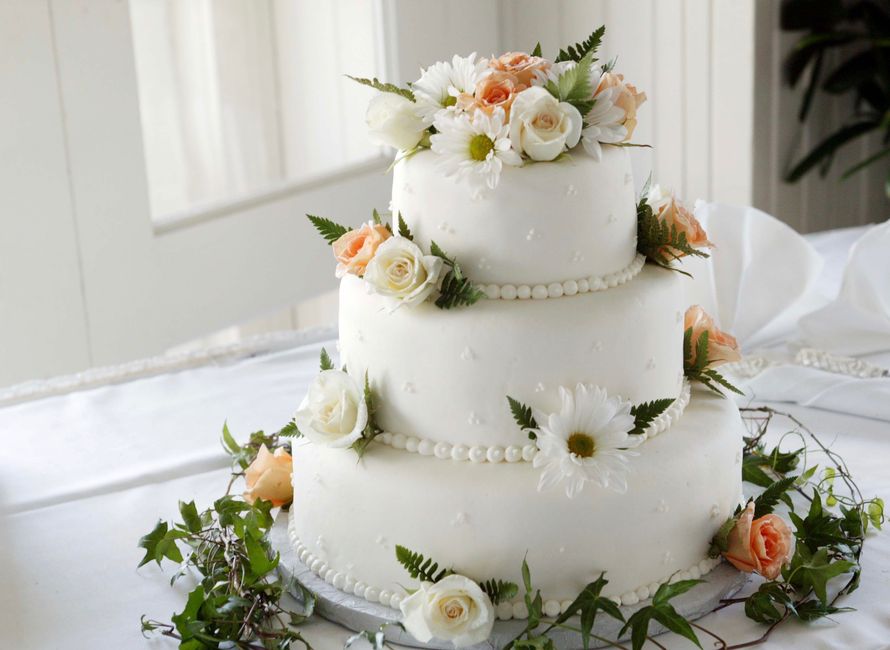
When you plan these elements together as a system, rather than as separate pieces, your florals create a complete experience. If you're working with a florist or designer, make sure they understand this layered approach. If you're exploring design inspiration for a custom cake to coordinate with your flowers, Violet Cake Co specializes in creating wedding cakes that complement floral aesthetics and overall design themes.
Consider Seasonality and Availability
Not every flower is available year-round, and forcing out-of-season blooms often costs significantly more and sometimes compromises quality.
Spring offers peonies, garden roses, ranunculus, and sweet peas. Summer brings dahlias, hydrangeas, zinnias, and an abundance of garden-style options. Fall opens up options like seeded eucalyptus, amaranthus, and berries. Winter works beautifully with evergreens, white flowers, and dried elements.
Working with what's naturally available in your season usually results in fresher flowers, better value, and arrangements that feel authentic to the time of year. It also often opens up creative possibilities you might not have considered.
Create Visual Flow and Proportion
Think about size and scale as you design your floral elements across the wedding.
Your bridal bouquet should be large enough to see clearly in photos but not so heavy it exhausts your arm. Bridesmaids' bouquets are typically slightly smaller. Centerpieces should be proportional to your table size (taller arrangements if you need to see across the table, lower arrangements if conversation matters more).
The flowers should feel balanced visually. If one side of a bouquet is densely packed, the other shouldn't be sparse. If your color palette is soft and romantic, your arrangements shouldn't be wildly oversized or geometric.
Proportion also applies to how much floral design you include overall. Some weddings feature flowers everywhere, in every corner. Others are more minimal, with florals concentrated in a few key moments. Neither is wrong, but the choice should be intentional and reflect your style.
Connect Your Florals to Your Overall Wedding Design
Your flowers don't exist in isolation. They're part of a bigger visual story that includes your venue, lighting, linens, stationery, and yes, your wedding cake.
If you're planning a modern minimalist wedding, your florals might be more architectural and restrained. If you're leaning into a vintage garden aesthetic, they should feel abundant and romantic. If your wedding has an editorial, fine-art quality, your florals should feel curated and intentional down to every stem.
When all these elements speak the same visual language, everything feels elevated and connected. This is why so many couples work with designers who understand how florals, decor, and details all create a unified experience.
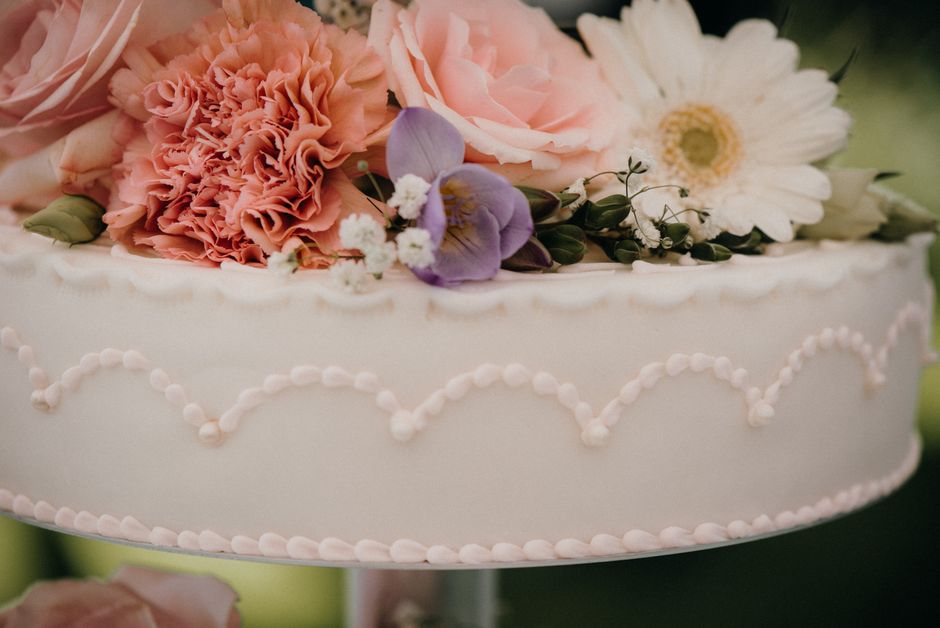
If you're designing a wedding cake to coordinate with your floral design theme, Violet Cake Co creates custom cakes that work beautifully alongside sophisticated floral arrangements, using techniques like hand-painted details, fresh flower toppers, or design elements that echo your color palette.
Partner With Someone Who Understands Your Vision
Unless you're a florist yourself, designing wedding flowers is a job for someone with experience and expertise. The difference between a florist who takes orders and a floral designer who creates a vision is significant.
A good florist will ask you questions about your style, your color preferences, your venue, the light at different times of day, and how you want guests to feel. They'll understand proportion, color theory, and how to make flowers last through a full day of celebration.
They'll also think about practical details like how bouquets will hold up during photos, whether arrangements will fit through doorways, and how flowers will coordinate with other design elements in your space.
When you're planning the full visual experience of your wedding, including floral designs, custom cakes, and all the other details that matter, working with artisans who understand intentional design is what transforms a nice event into something you'll treasure for life.
Frequently Asked Questions
What flowers work best for wedding bouquets?
Garden roses, peonies, ranunculus, dahlias, and spray roses are all excellent choices. What works best depends on your color palette, season, and personal style. Combining a focal flower with secondary blooms and textural elements creates dimension and beauty. Talk with your florist about what's fresh and available during your wedding season.
How do I make sure my wedding flowers coordinate with other design elements?
Start with one unified color palette that everything pulls from, including florals, linens, stationery, and yes, your wedding cake. Think about your overall aesthetic (modern, vintage, romantic, minimalist) and make sure your floral choices support that feeling. When you're coordinating multiple design elements, working with professionals who understand cohesive design helps everything feel intentional and connected.
Should I have different floral arrangements for ceremony and reception?
Not necessarily. Many weddings use the same color palette and flower types throughout, which creates visual continuity. The arrangement styles might differ (ceremony arch arrangements are different from table centerpieces), but pulling from the same flowers and colors ties everything together. This creates a more cohesive experience for your guests and in your photos.
How far in advance should I book my florist?
Most florists recommend booking 6-12 months ahead for peak seasons (spring and summer), though it depends on your location and the florist's schedule. If you're planning other custom elements like a wedding cake from Violet Cake Co, booking your key vendors early ensures they can coordinate timing and design details beautifully.
Comments