

What Is a Fine Art Wedding Cake Designer?

Updated: 2 days ago
A fine art wedding cake designer is an artist who approaches cake design with the same creative intention and skill you'd expect from a painter, sculptor, or illustrator. Instead of following a template or repeating the same design over and over, they create a completely custom cake that reflects your vision, your wedding's aesthetic, and their own artistic expertise.
The difference between a fine art cake designer and a standard bakery is simple: one treats your cake as a blank canvas. The other treats it as a product.
How Fine Art Cake Design Works
Fine art wedding cake designers think about color theory, composition, balance, and visual storytelling the same way a gallery artist does. Your cake becomes part of your wedding's overall design narrative, not just a dessert that happens to be there.
This approach means your cake might feature hand-painted details, sculptural sugar flowers, watercolor-inspired icing, or unconventional shapes that break away from traditional tiered designs. It could be a single statement cake paired with coordinating mini desserts, or a geometric form that echoes your venue's architecture. The possibilities shift based entirely on your aesthetic and the designer's interpretation of your vision.
Violet Cake Co approaches each cake as a one-of-a-kind commission, much like you'd commission a portrait or a custom art piece. Every design starts with your story—your preferences, your wedding's mood, the details that matter to you—and ends with something that couldn't exist for anyone else.
Key Techniques That Define Fine Art Cakes
Hand-painted details are the signature move. A designer uses food-safe paints and brushes to add intricate illustrations, watercolor effects, or freehand designs directly onto the cake. This elevates the cake far beyond what piping bags alone can achieve.
Sugar paper and wafer paper flowers are another hallmark. Instead of piped buttercream blooms, fine art designers craft botanically accurate flowers from delicate, sculpted materials. These can be arranged to look like a garden, a still life, or an abstract composition.
Non-traditional formats challenge the tiered cake expectation entirely. You might have a naked cake with minimal decoration, a tall sculptural form, multiple small cakes arranged as a display, or even a cake designed to mimic the look of a fine art medium like oil painting or charcoal sketch.
Specialty mediums—food dust, metallic accents, lacework transfers, even edible imagery—give designers more tools to work with. The result is visual depth and sophistication that standard decorating techniques can't reach.
What to Expect When Commissioning a Fine Art Cake
First, understand that a fine art cake requires lead time. Because the work is hand-crafted and complex, designers book out further than standard bakeries. You'll likely need to schedule your consultation several months before your wedding, not a few weeks.
Second, respect the creative process. When you hire a fine art designer, you're hiring their artistic vision alongside your own preferences. They'll ask for inspiration images, color palettes, and details about your wedding's vibe. They'll sketch concepts. They might suggest alternatives based on their expertise. This back-and-forth is where the magic happens—it's collaboration, not just order-taking.
Bring visual references. Pinterest boards, mood boards, photos of florals you love, color combinations that speak to you—these help your designer understand your aesthetic language. The more concrete your inspiration, the clearer your shared vision becomes.
Discuss customization openly. Fine art cakes are individually tailored, which means they can reflect your personality, your wedding's theme, inside jokes, or details that matter only to you. This is the opposite of picking from a portfolio and asking for minor tweaks.
Understand that ingredients matter too. Fine art designers typically prioritize quality over volume. You'll get fewer slices per cake, but each slice will taste intentional—real butter, fresh eggs, premium chocolate, flavors that complement your design rather than compete with it.
How Fine Art Cakes Differ from Traditional Wedding Cakes
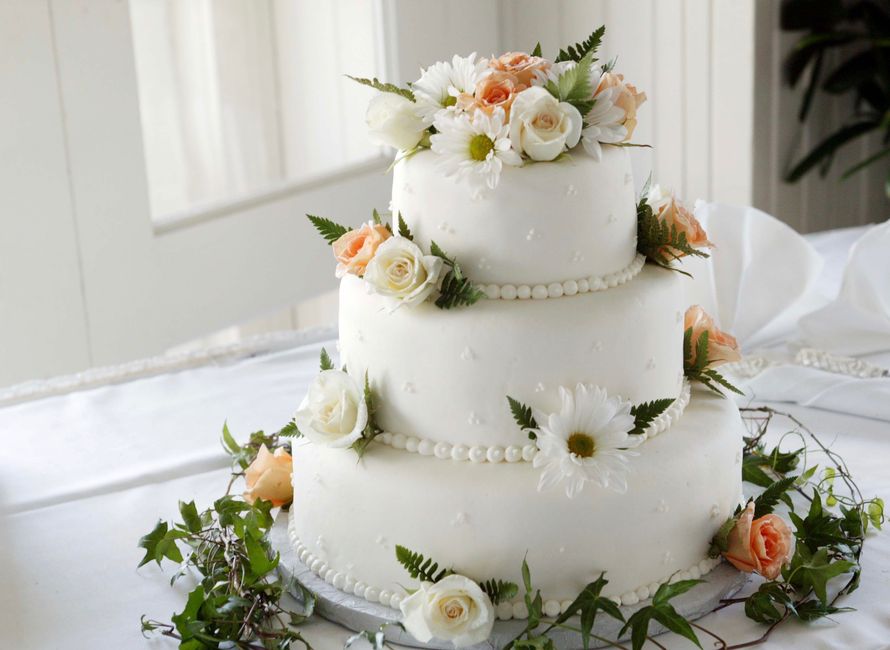
A traditional wedding cake follows rules: it's tiered, symmetrical, covered in fondant or buttercream, and decorated with piped details. It's been the standard for decades for a reason—it works, it's recognizable, and it fits the "wedding cake" category everyone knows.
A fine art cake might break every one of those rules. It could be asymmetrical. It might have exposed cake layers. The decoration could be minimal or overwhelming depending on your aesthetic. It won't look like anyone else's cake, ever.
This also means it requires more skill. Not every baker can execute fine art design. It demands technical knowledge, artistic training, and the confidence to trust their instincts when something unconventional is the right call.
If you're looking for a cake that feels as special and intentional as the rest of your wedding, working with a fine art wedding cake designer shifts your cake from an afterthought to a genuine design element that guests will talk about.
Questions to Ask a Fine Art Cake Designer
When you're vetting designers, ask about their design process. How many consultations do they include? Do they sketch concepts? How many revision rounds are included? How far in advance do they book?
Ask about their portfolio and whether their past work feels authentic to their artistic voice, not like they're chasing trends. You want someone whose work reflects genuine artistic expression, not someone copying what's popular on Instagram.
Ask about timeline and flexibility. If your vision shifts three weeks before the wedding, can they adapt? If you need something unusual, are they excited or hesitant? A true fine art designer will lean into the challenge.
Ask about ingredients and flavors. What goes into their cakes? Can you do a tasting? Do they accommodate dietary preferences without compromising the design? These details matter because a beautiful cake that doesn't taste good is wasted potential.
Finding Your Fine Art Cake Designer
Look for designers whose work feels intentional and grounded in actual artistry, not mass-produced styling. Their portfolio should show range—different aesthetics, different approaches, different techniques—rather than the same design repeated with different colors.
Check if they ask good questions during initial consultations. A designer who jumps straight to "what style do you want" without learning about your wedding's mood, your personal story, or your aesthetic journey isn't thinking like an artist yet.
Read or listen to how they talk about their work. Do they discuss the creative reasoning behind their designs? Do they mention specific techniques and why they chose them? Do they sound passionate about the work, not just efficient?
Prioritize designers who are selective about their bookings. If they can fit you in on short notice with zero questions, they're likely not approaching each cake as a custom commission. True fine art designers have waiting lists because they're thoughtful about capacity.
The Investment in Fine Art Cake Design
A fine art wedding cake costs more than a grocery store cake or a standard bakery cake. That's not arbitrary—it reflects the hours spent in consultation, the skill required to execute complex techniques, the quality ingredients, and the artistic labor involved.
When you commission a fine art cake, you're paying for craftsmanship, customization, and the designer's expertise. You're also paying for the fact that your cake will be unique. No one else will have it. That's worth something.
If you're ready to move past cookie-cutter cake options and want a dessert that feels as thoughtfully designed as the rest of your wedding, a fine art cake designer is the right investment.
FAQ
What's the difference between a fine art cake designer and a regular baker?
A fine art designer approaches your cake as an artistic commission tailored entirely to your vision and aesthetic. They use specialized techniques like hand-painted details and sculpted sugar flowers, they book further in advance, and they prioritize creative intention over production efficiency. A regular baker focuses on consistency, speed, and following established designs or customer requests within standard formats.
How far in advance do I need to book a fine art cake designer?
Most fine art designers book several months out—often 6 to 12 months depending on their schedule and your wedding date. This allows time for consultation, sketching, revisions, and the actual creation of your cake. Don't wait until a few weeks before your wedding to reach out.
Can a fine art cake designer work with dietary restrictions or specific flavors?
Yes, but discuss this early in your consultation. Fine art designers can typically accommodate dietary needs—gluten-free, dairy-free, vegan—without compromising the design, though some restrictions may require advance planning. Flavor preferences should also be discussed upfront so the designer can create a cake that's both beautiful and delicious.
Do I have to use a tiered cake, or can a fine art designer create something different?
Fine art designers specifically love moving beyond traditional tiered designs. Your cake could be a single architectural form, multiple small cakes arranged as a display, a naked cake with minimal decoration, or something entirely unconventional. The format should serve your vision, not follow a template.
Comments